October 13, 2026
Understanding how heating and cooling systems consume power is vital in today's climate-conscious world. Working with a professional AC company helps home and business owners enhance overall energy efficiency, offering both significant environmental and economic benefits. Heating, ventilation, and air conditioning equipment is central to maintaining indoor comfort, but it also heavily contributes to monthly utility demands. With growing environmental concerns and rising operational costs, improving efficiency has never been more critical. Exploring how an AC company assists in boosting energy efficiency reveals a wide range of essential services, from detailed building audits to custom equipment installations and smart technology integration.
Define Energy Efficiency in Heating and Cooling
Energy efficiency in climate control systems refers to the ability to provide optimal temperature management while consuming the least possible amount of power. This is a crucial aspect due to environmental and economic pressures to reduce utility usage across the board. Efficient equipment reduces greenhouse gas emissions, lowers monthly utility bills, and minimizes natural resource depletion. Systems are evaluated based on their Seasonal Energy Efficiency Ratio (SEER) or Energy Efficiency Ratio (EER), which indicates overall cooling performance. Understanding these rating metrics helps property owners secure immediate financial savings and fulfill long-term environmental goals.
Analyze the Role of Climate Control in Power Usage
Climate control equipment accounts for a massive portion of total energy consumption in modern buildings, often exceeding 40% of overall utility usage. Residential and commercial spaces rely heavily on these setups for continuous heating, ventilation, and cooling, creating substantial ongoing energy demands. Because of this high baseline consumption rate, enhancing equipment efficiency leads to noticeable, immediate reductions in overall power use. As urban development expands, the demand for efficient climate management increases, making energy management a top priority. This continuous focus on reducing power consumption drives steady innovation across the entire HVAC industry.
Review Current Energy Standards and Codes
Governments and industry organizations establish strict standards to guide HVAC energy efficiency. Standard bodies like ASHRAE and the ENERGY STAR program provide clear guidelines that dictate minimum performance levels for climate equipment. Following these standards ensures that units operate within optimal energy parameters, reducing their environmental footprint. Compliance with regulatory codes is not only environmentally beneficial, but it can also be economically rewarding through regional tax incentives and utility rebates. Professional contractors stay informed on changing codes to ensure every installation meets or exceeds current regulatory standards.
Overcome Common Barriers to High Efficiency
Several common obstacles prevent climate control systems from achieving optimal energy efficiency. These barriers include outdated machinery, a lack of proper maintenance, incorrect system sizing, and initial financial constraints. Additionally, original building design flaws or leaky air ducts can severely limit the efficiency potential of brand-new units. Recognizing and addressing these issues is essential for homeowners and commercial managers looking to lower operating expenses. A certified AC company plays a vital role in identifying these specific barriers and providing targeted, cost-effective solutions to overcome them.
Evaluate the Impact of Efficiency Upgrades
Enhancing equipment efficiency offers numerous practical advantages, including reduced utility bills, lower carbon footprints, and extended hardware lifespans. Consuming less power while maintaining consistent indoor output allows efficient units to significantly decrease environmental impact. Economic benefits are equally clear, as lower power usage translates directly into noticeable utility savings that accumulate over time. These steady financial returns help offset the initial investment required for system upgrades. Improved efficiency also enhances occupant comfort by providing precise humidity control and consistent temperatures.
Understand the Purpose of Professional Energy Audits
An energy audit is a comprehensive assessment of a building's overall power usage, focusing on identifying performance bottlenecks and proposing targeted solutions. A qualified AC company conducts energy audits to evaluate how climate equipment affects total utility consumption and to highlight primary areas for improvement. These thorough evaluations involve inspecting equipment operation, insulation levels, ductwork integrity, and thermal loss throughout the property. Understanding the specific power dynamics of a building allows technicians to optimize both mechanical performance and energy use, leading to measurable efficiency gains.
Inspect Buildings Using Advanced Diagnostic Tools
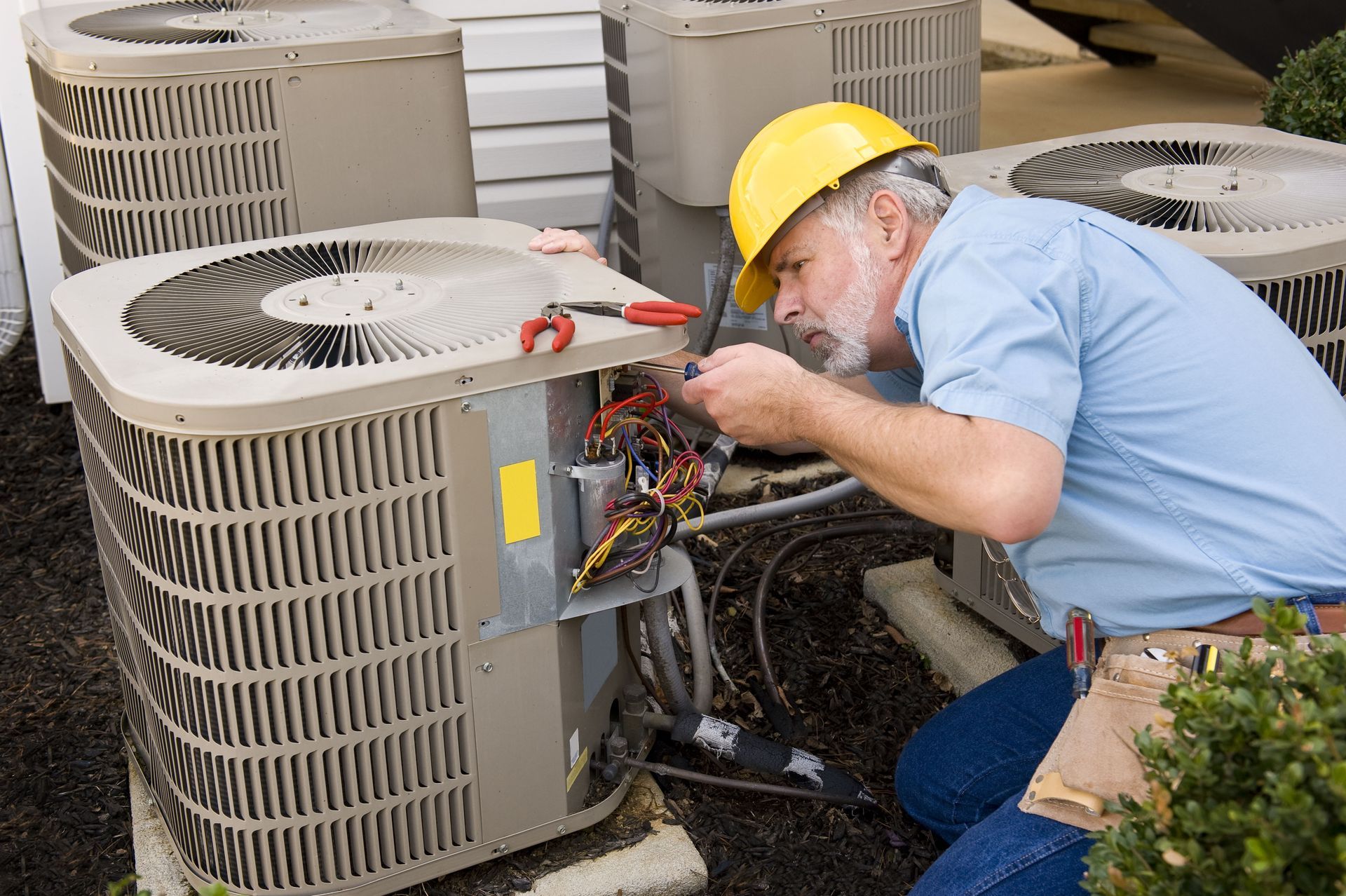
Technicians utilize various testing methodologies and advanced tools to complete thorough building audits. The assessment begins with a detailed physical inspection of the system, checking critical components like compressors, blower motors, filters, and air ducts for performance bottlenecks. Diagnostics using infrared cameras, airflow meters, and blower doors help pinpoint hidden air leaks and insulation gaps. The data collected during this evaluation creates an accurate energy usage profile for the structure. This profile serves as the concrete foundation for customized recommendations designed to boost overall operating efficiency.
Maximize Benefits Through Routine Assessments
Conducting routine energy assessments delivers consistent advantages, including optimized system output, lower utility costs, and a smaller environmental footprint. These systematic audits pinpoint hidden mechanical problems early, allowing for targeted repairs that protect energy efficiency. Regular testing ensures that all climate equipment aligns with current industry performance standards. According to IBISWorld, over 118,433 HVAC contractor businesses operate across America, giving property owners widespread access to expert evaluation services. Staying proactive through continuous assessments maintains system reliability while keeping long-term operational costs low.
Execute Recommendations Following a Building Audit
Following an energy audit, technicians provide a series of tailored recommendations designed to optimize system performance and efficiency. Typical suggestions include upgrading outdated machinery, adding structural insulation, sealing duct joints, or installing programmable smart thermostats. Recommendations may also focus on establishing routine maintenance schedules to preserve system health and prevent sudden equipment breakdowns. Implementing these post-audit strategies dramatically improves energy efficiency while driving down daily utility expenditures. Partnering with a skilled AC company ensures these post-audit plans are practical, effective, and tailored to the property.
Select the Right Climate Solutions for Properties
Selecting the ideal energy-efficient system requires a thorough analysis of building layout, local climate conditions, and historical power consumption patterns. An experienced AC company evaluates these factors to recommend systems that match the client's specific comfort and efficiency goals. Factors such as building square footage, insulation ratings, window placement, and existing duct infrastructure directly influence equipment selection. Collaborating with seasoned professionals ensures the chosen setup provides the ideal balance of performance, long-term durability, and cost-effectiveness for the property.
Balance Professional Services With Homeowner Care
While homeowners can handle basic tasks like replacing air filters and clearing clear zones around outdoor units, complex maintenance requires professional expertise. Deep tasks such as refrigerant handling, electrical diagnostic testing, duct sealing, and combustion analysis require specialized equipment and technical training. Attempting complex repairs without training risks damaging the equipment and lowering operational efficiency. Partnering with a licensed AC company ensures complex technical tasks are handled safely and correctly, maintaining system efficiency without compromising safety or equipment warranties.
Review Custom Installation Success Stories
Documented case studies demonstrate the clear advantages of implementing customized heating and cooling strategies. For example, a commercial building achieved a 20% reduction in annual electricity usage after implementing a custom plan featuring smart controls and zoned air distribution. Similarly, a residential project involving targeted insulation upgrades paired with a modern heat pump delivered exceptional utility savings and enhanced year-round comfort. These success stories illustrate the power of tailored engineering in achieving ambitious energy goals, proving that customized climate strategies optimize system performance across any property type.
Enhanced energy efficiency not only reduces environmental impact but also leads to substantial, lasting cost savings for homeowners and business managers alike. With the strategic assistance of an experienced AC company providing audits, precise installations, routine maintenance, and smart controls, significant progress can be made toward lowering energy consumption. In this effort, professional technicians remain indispensable, delivering the expert guidance needed to tackle modern energy challenges effectively. Property owners looking for fast emergency services, on-call 24/7 support, or free same-day estimates can contact Colt's Cooling Inc today to schedule a comprehensive evaluation and start saving on energy costs.