August 17, 2026
Maintaining an air conditioning system is essential for preserving comfort, efficiency, and long-term reliability. Like any mechanical system, cooling equipment experiences wear through repeated operation. Without routine care, small concerns can gradually develop into larger problems that affect performance and increase operating costs. Preventive maintenance helps homeowners identify developing issues early, improve energy efficiency, and reduce the likelihood of unexpected breakdowns. Consistent maintenance can significantly reduce the need for AC repairs while helping the system perform reliably throughout its service life.
Replace or Clean Air Filters Regularly
Air filters are one of the simplest yet most important parts of an air conditioning system. They capture dust, pet hair, pollen, and other airborne particles before those contaminants can circulate through the home or collect on internal components. As a filter becomes clogged, airflow decreases, and the system must work harder to move conditioned air. This added strain can increase energy use, reduce cooling performance, and place unnecessary stress on the blower motor and other components.
Most filters should be checked every one to three months, although households with pets, smokers, allergy concerns, or heavy dust may need more frequent replacement. The schedule also depends on the filter type and manufacturer recommendations. Selecting an appropriate MERV rating is important because a filter that is too restrictive for the system can also reduce airflow. Routine filter care is an inexpensive way to support indoor air quality and avoid conditions that may eventually lead to AC repairs.
Keep Evaporator and Condenser Coils Clean
Evaporator and condenser coils are responsible for transferring heat during the cooling process. The indoor evaporator coil absorbs heat from household air, while the outdoor condenser coil releases that heat outside. Dirt, grass clippings, dust, and other debris can coat these surfaces over time. Even a thin layer of buildup can interfere with heat transfer, causing the air conditioner to run longer and consume more energy to achieve the desired temperature.
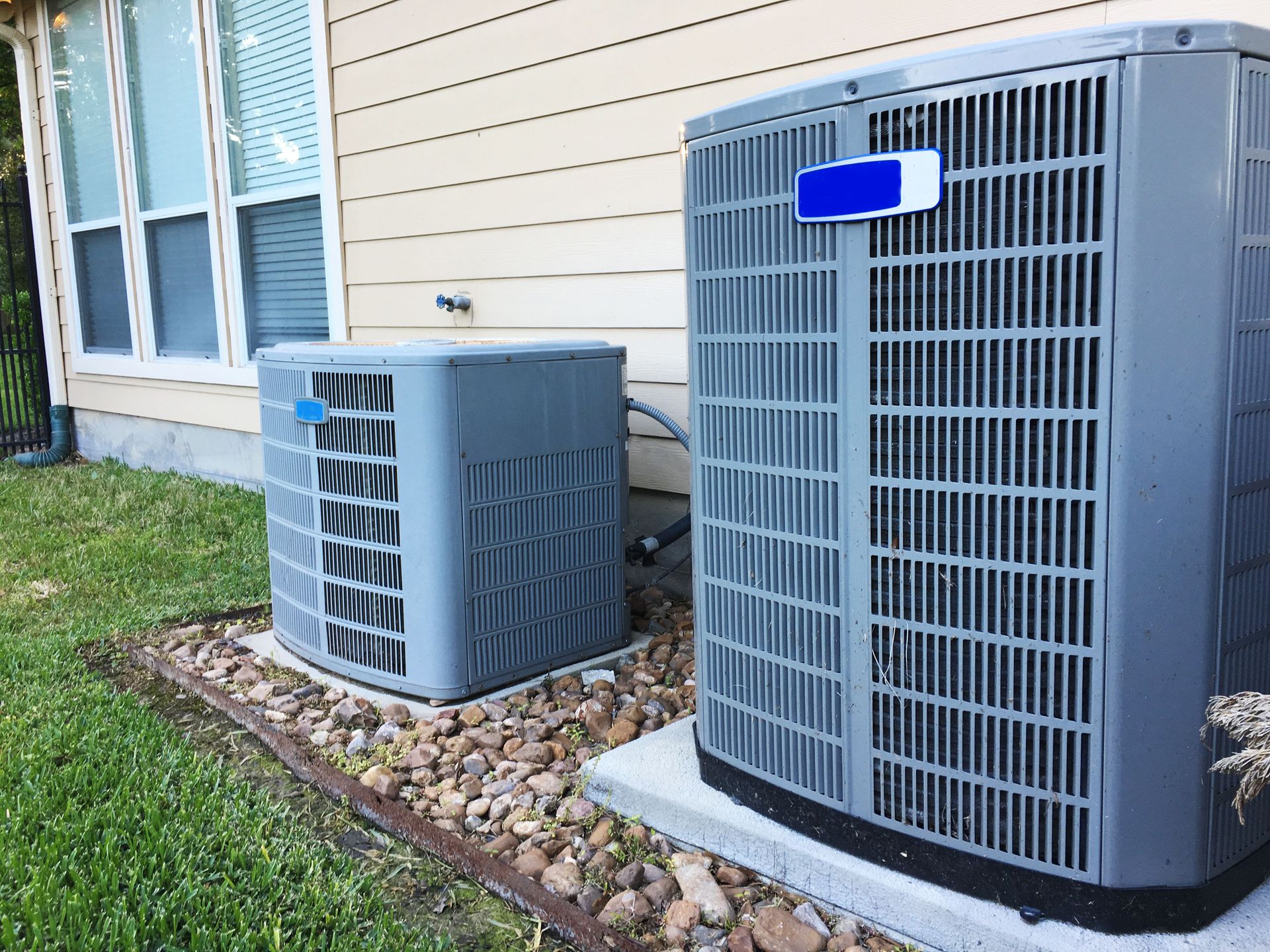
Homeowners can help protect the outdoor unit by keeping surrounding vegetation trimmed and removing leaves or debris that block airflow. Indoor coil cleaning is often best handled during a professional maintenance appointment. Signs of dirty coils can include longer cooling cycles, weak performance, higher utility bills, or ice forming around the evaporator area. Keeping coils clean reduces system strain and may prevent overheating, frozen components, and other problems that contribute to AC repairs.
Monitor Thermostat Performance
The thermostat serves as the control center for the cooling system, so inaccurate readings can affect both comfort and efficiency. If the thermostat is poorly positioned, improperly calibrated, or beginning to fail, it may cause the air conditioner to run too frequently or not long enough. Direct sunlight, drafts, and nearby appliances can also create inaccurate readings.
Homeowners should periodically compare the thermostat reading with a reliable indoor thermometer and watch for unexplained temperature fluctuations. Replacing batteries, checking settings, and keeping the thermostat clean can resolve some simple problems. Programmable and smart thermostats can provide better control through scheduled adjustments. Accurate temperature management reduces unnecessary cycling, lowers energy waste, and helps limit unnecessary wear on the system.
Check Refrigerant Levels and Watch for Leaks
Refrigerant plays a central role in the cooling process by absorbing heat indoors and releasing it outdoors. Refrigerant is not normally consumed, so low levels often indicate a leak. Low refrigerant can cause inadequate cooling, extended run times, frozen evaporator coils, unusual noises, and higher utility costs. Continuing to operate the unit under these conditions can place substantial stress on the compressor.
Refrigerant testing and charging should be performed by qualified HVAC professionals with the proper equipment and training. Technicians can measure system pressures, locate leaks, make necessary corrections, and verify that the appropriate refrigerant type and charge are used. Older refrigerants may require special handling under environmental regulations. Prompt attention to suspected leaks can prevent compressor damage and reduce the likelihood of more extensive AC repairs.
Inspect Drain Lines and Moisture Removal Components
Air conditioners do more than lower indoor temperatures; they also remove moisture from the air. As humidity condenses on the evaporator coil, water collects in a drain pan and travels through a condensate line. Dirt, algae, or debris can clog this drainage pathway, causing water to back up into the equipment or surrounding areas. An overflow may damage ceilings, walls, flooring, or nearby belongings.
Homeowners should periodically inspect accessible drain areas for standing water, unusual odors, or visible signs of leakage. Keeping the condensate line clear and checking the drain pan for corrosion can reduce moisture-related problems. Some systems include float switches that shut equipment down when water rises too high. Maintaining drainage components protects both the cooling system and the home while helping prevent water-related ac repairs.
Protect Moving and Electrical Components
Motors, fans, belts, electrical connections, capacitors, and contactors all contribute to dependable operation. As these parts age, they can loosen, wear, overheat, or lose efficiency. Some older components require lubrication, while many newer motors use sealed bearings. Applying the wrong lubricant or servicing components unnecessarily can cause damage, so manufacturer recommendations should always guide maintenance.
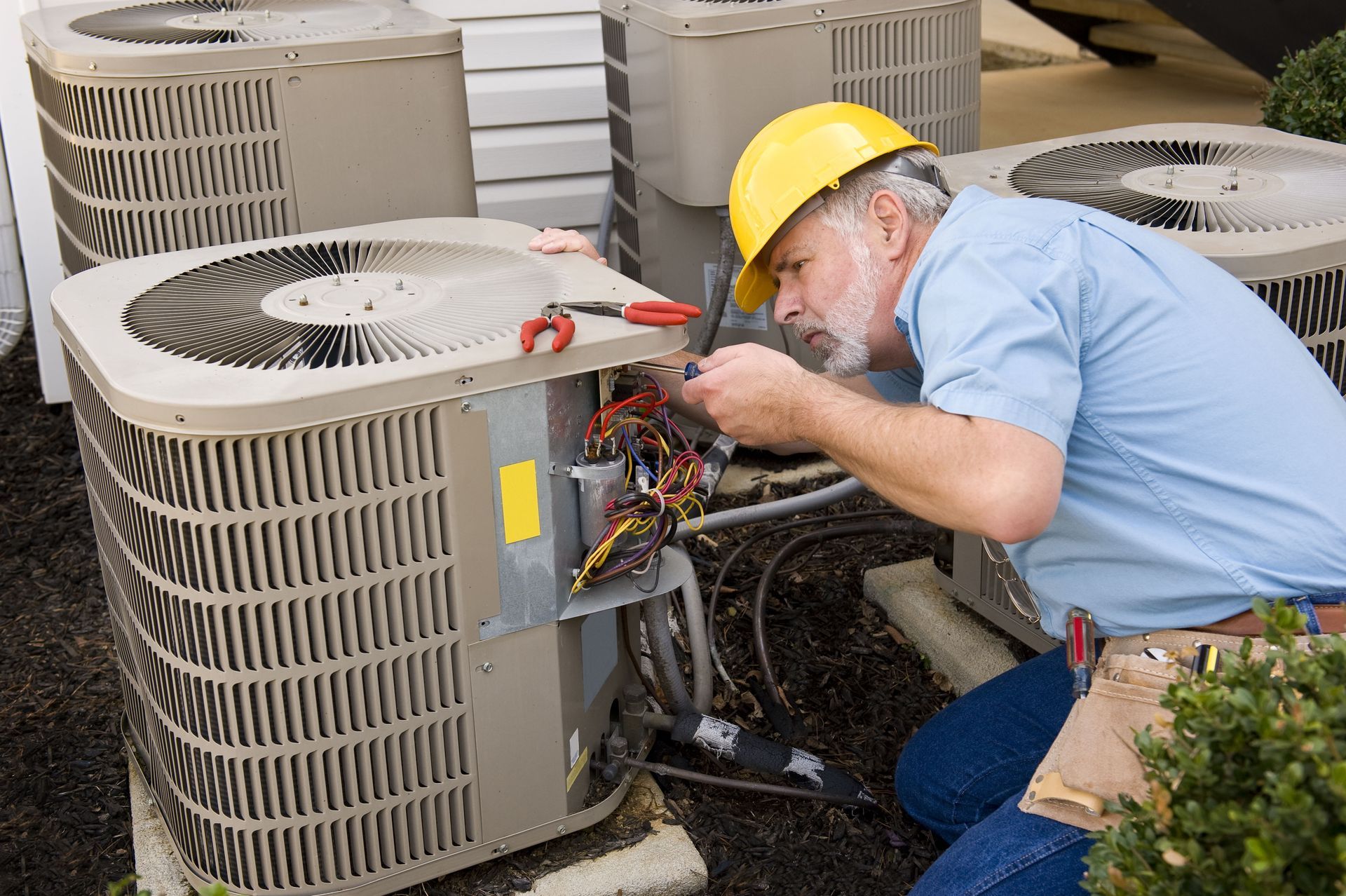
Unusual buzzing, grinding, squealing, rattling, or repeated startup problems can indicate developing mechanical or electrical trouble. Homeowners can keep the outdoor unit clear and listen for changes, but electrical and internal mechanical work should be left to trained technicians. Catching worn parts before they fail may prevent damage to neighboring components and lower the risk of emergency ac repairs during periods of heavy use.
Schedule Professional Preventive Maintenance
Routine professional inspections provide a deeper level of care than basic homeowner maintenance. During a visit, a technician may inspect filters, coils, electrical connections, refrigerant pressures, drains, motors, and thermostat operation. The technician can also look for worn parts, loose connections, leaks, abnormal temperature differences, or other signs that the system is not performing as intended. According to Industry Research, nearly 54% of HVAC repair service calls are related to air conditioning systems, highlighting the importance of identifying cooling system problems before they develop into more disruptive issues.
Many homeowners schedule cooling system maintenance in the spring before temperatures rise and the equipment begins running heavily. Older systems or units that operate for long periods may benefit from additional inspections. Preventive service allows technicians to address developing concerns before they cause a breakdown. It can also preserve efficiency, improve comfort, and reduce the severity of AC repairs over time.
Use the System Efficiently Between Service Visits
Everyday operating habits can influence how quickly an air conditioning system wears. Setting the thermostat extremely low does not cool a home faster, but it can cause the equipment to run longer than necessary. Keeping windows and doors closed while the system is operating, sealing obvious air leaks, using ceiling fans appropriately, and limiting heat gain from direct sunlight can reduce the cooling load. Furniture and curtains should stay clear of vents so air can circulate freely.
Homeowners should pay attention to gradual changes in performance rather than waiting for the system to stop working completely. Rooms that become harder to cool, unusual odors, weak airflow, increased humidity, rising electricity bills, or unfamiliar noises can all signal that something needs attention. Early evaluation often allows smaller problems to be corrected before they affect additional components.
Build a Consistent Maintenance Routine
Preventive air conditioning care does not require constant attention, but consistency matters. Checking filters, keeping the outdoor unit clear, watching for drainage issues, using the thermostat wisely, and arranging periodic professional inspections can collectively make a meaningful difference in system performance. A well-maintained unit is more likely to cool evenly and handle summer demand efficiently.
Maintenance cannot eliminate every mechanical problem, particularly as equipment ages, but it can reduce avoidable wear and make developing concerns easier to identify. By combining simple homeowner tasks with professional servicing, property owners can protect their investment, improve comfort, control energy costs, and reduce the likelihood that small issues will become expensive emergencies. Contact our team at Colt's Cooling Inc today and learn more about our HVAC services.